Yes, you can accept cash rent, but only if you adopt three nonnegotiable controls: a signed receipt at the handoff, documented chain of custody, and prompt deposit. Without all three, cash becomes nearly impossible to defend in a tax audit or a payment dispute. Most landlords are better served by steering tenants toward ACH transfers or an online rent portal, with cash kept as a documented exception rather than the default. If considering greener options, businesses can also explore commercial EV charging solutions for UK businesses including site surveys and charger supply to support sustainable infrastructure.
TL;DR:
- Put the cash policy in the lease, naming the handoff location, hours, receipt requirement, and cutoff time for payments received after business hours.
- Most landlords report rent when received; keep signed, dated, numbered receipts with payer and property details, plus deposit records, for at least three years.
- Have different people collect, deposit, and reconcile funds when possible, store cash in a locked safe, and deposit by the next business day at latest.
- Give written notice 30 to 60 days before changing payment methods, allow a grace period, and direct unbanked tenants to prepaid cards or community programs.
Table of Contents
Step-by-step best practices to accept cash rent safely
A cash handling policy only works when it is written down and followed the same way every month. Start by putting the policy in the lease itself, so tenants know in advance how cash payments are accepted, where, and under what conditions.
From there, the process should follow a consistent sequence:
- Schedule cash handoffs by appointment at a secure office or management location, never at the rental unit itself.
- Count the cash in front of the tenant, with a second staff member present as a witness whenever possible.
- Issue a signed, pre-numbered receipt on the spot, with a duplicate kept for your records.
- Separate duties so the person collecting cash is not the same person who deposits it or reconciles the books.
- Deposit the funds on a fixed schedule, ideally as promptly as possible, to limit how long cash sits on-site.
This mirrors the structure that HUD and municipal cash-handling policies require for public funds: segregation of duties, pre-numbered receipts, and timely deposit all show up as standard controls because they close off the easiest opportunities for error or theft. Scaled down, the same logic protects a landlord with a handful of units just as well as it protects a city finance office.
Pro Tip: Keep a simple log book or spreadsheet next to your receipt pad and record the receipt number, date, amount, and tenant name immediately after each handoff, before the cash leaves your hands.
Documenting and recording cash payments for bookkeeping and tax purposes
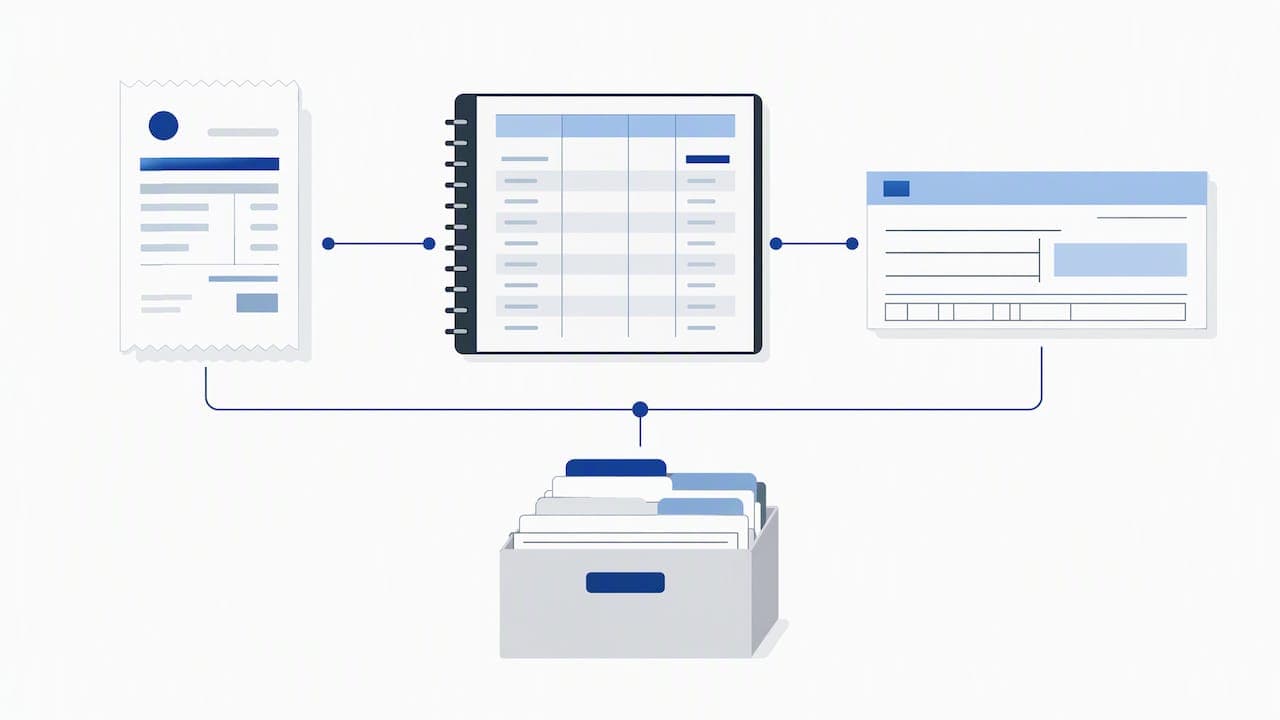
A cash receipt only holds up if it contains the right details. At minimum, each one should include:
- The date and exact location of the payment.
- The amount written both in figures and in words to prevent alteration.
- The payer's name, the property address or unit number, and a unique receipt number.
- Signatures from both the tenant and the person who collected the payment.
Most individual landlords report rental income on a cash basis, meaning rent counts as income in the year it is actually or constructively received. IRS guidance on rental recordkeeping is direct about this: you need records substantial enough to support what you claim on Schedule E, and pre-numbered receipts signed by both parties are among the strongest single pieces of evidence you can produce in an audit.
A signed, dated, pre-numbered receipt is the single strongest piece of audit evidence for cash rent, according to IRS guidance on rental recordkeeping, because it ties a specific amount to a specific date and a specific person.
Keep deposit slips, bank acknowledgments, and scanned copies of every receipt for at least three years, matching the retention window most landlords plan around for tax recordkeeping. When a tenant disputes a payment or a receipt goes missing, your bank deposit records and log book are what settle the disagreement, so treat them as part of the same system rather than a backup plan.
Security controls and operational safeguards to reduce theft and liability
Segregation of duties is the backbone of any cash handling policy. One person collects, a different person deposits, and a third (even if that is just you, reviewing later) reconciles the totals against the bank statement. This single control, drawn from HUD cash-handling guidance, catches more errors and discourages more theft than any amount of after-the-fact investigation.
Beyond that structural split, a few physical and procedural habits matter:
- Store cash in a locked safe, not a desk drawer, between collection and deposit.
- Limit who has access to the safe and change combinations when staff turnover occurs.
- Set a firm deposit schedule, daily where volume justifies it, next business day at the latest, to minimize processing float.
- Reconcile receipts against deposits weekly and run a periodic spot audit on a random month.
- Report any discrepancy immediately and confirm your landlord insurance or fidelity bond actually covers cash losses.
Pro Tip: Photograph each receipt and the corresponding deposit slip with your phone, then store both in a dated folder. It takes seconds and gives you a second, timestamped record if anything is ever questioned.
Processing float, the gap between collecting cash and getting it into a bank account, is the main window of risk. Shrinking that window with firm deposit rules does more for security than any lock or safe on its own.
Lease language and legal considerations when allowing or prohibiting cash
Whether you accept cash or not, the lease should say so explicitly rather than leaving it to verbal agreement. Two common approaches work:
- Permit cash conditionally, specifying the location, hours, and that a receipt will always be issued.
- Prohibit cash outright and name the accepted channels, such as ACH, check, or an online portal.
Many state and municipal landlord-tenant rules require a written receipt whenever rent is paid in cash, regardless of what the lease says, so build that requirement into your process even if your jurisdiction does not explicitly demand it.
Timing matters too. Under Regulation Z's payment-crediting rules, a payment must generally be credited as of the date it is actually received, though a landlord can set reasonable cutoff times, like requiring cash handed over after 5 p.m. to count as received the next business day. Spelling this out in the lease prevents arguments about late fees when a tenant pays cash right at the deadline.
Alternatives to cash and a short tenant-transition checklist
Most landlords are better off limiting cash and steering tenants toward:
- ACH transfer or an online rent portal, which posts automatically and timestamps itself.
- Money orders or cashier's checks, which carry their own paper trail without requiring in-person handling.
- In-person card terminals, useful for tenants who want a human handoff without physical cash.
To shift tenants away from cash, give 30 to 60 days' written notice, demonstrate the new option in person or by video, and offer a short grace period where either method is accepted. For tenants without a bank account, point them toward a prepaid debit card or a local community financial program, and document any one-off cash exception in writing with the same receipt and deposit rules that apply everywhere else.
A property manager's take on balancing access and controls
A single written cash policy, applied the same way every month, does more for fairness and compliance than any amount of discretion ever will. Exceptions should be rare, documented in writing, and tied to a specific reason, never a quiet habit that creeps back in because it is easier that week.
— Dizzy
FAQ
What qualifies as cash handling?
Cash handling covers any point where physical currency changes hands and must be counted, receipted, stored, and deposited. For rentals, that means the collection at handoff, the signed receipt, safe storage until deposit, and the bank deposit itself all count as part of the process.
What are red flags for tenants?
Red flags include a tenant who insists on paying only in cash with no explanation, repeatedly pays late in cash rather than switching to easier methods, or resists signing a receipt. None of these alone proves a problem, but they are reasons to document every exchange more carefully.
Why does my landlord want me to pay rent in cash?
A landlord might prefer cash for faster access to funds or to avoid processing fees tied to card or ACH payments. A landlord following good practice will still issue a signed receipt and explain the policy in the lease, since IRS recordkeeping guidance expects clear documentation regardless of payment method.
What is the professional term for cash handling?
In property management and finance, this is generally called cash management or cash handling procedures, referring to the full cycle of collecting, recording, securing, and depositing currency. Larger organizations often formalize this into written standard operating procedures, the same structure smaller landlords can scale down for their own units.
How does cash rent get reported for taxes?
Most landlords use the cash method, which means rent counts as income in the year it is actually received, not when it was due. IRS Publication 527 confirms that cash-basis taxpayers report income upon receipt and cannot deduct rent that was never collected, which is why a dated, signed receipt matters at tax time.
Sources
Recommended
Ready to streamline your car rental business?
Book 30 minutes with the founder. We set up everything in this guide on your own vehicles, and migrate you out of Excel for free.