Key Takeaways
| Point | Details |
|---|
| Fast ROI under six months | Real-time tracking delivers payback in under six months through fuel savings and improved asset utilization. |
| Hybrid tracking reliability | Hybrid systems combine GPS, cellular, and VHF to provide redundant coverage and deter tampering in high risk environments. |
| Privacy and compliance balance | Organizations must align tracking deployments with privacy laws to maintain customer trust and avoid costly fines. |
| Scalable fleet solutions | Solutions are available for small operations up to multinational fleets, enabling ROI and improved operations regardless of size. |
Understanding real-time tracking technology in car rentals
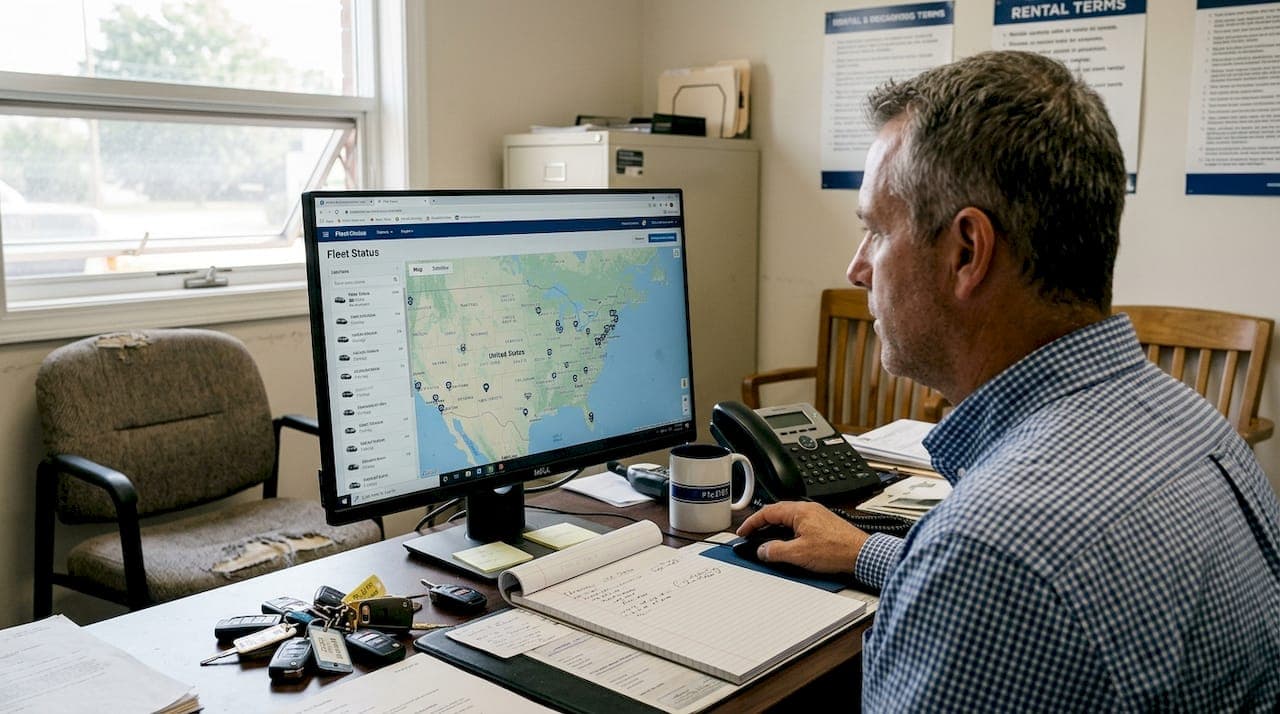
Real-time tracking relies on multiple technologies working together to provide continuous visibility into vehicle location, status, and performance. GPS satellites deliver positioning data, cellular networks transmit that information to your management platform, and VHF radio frequency systems provide backup coverage in areas with weak cellular signals. Understanding these core technologies helps you evaluate system reliability and coverage for your specific operating regions.
Hybrid tracking systems combine GPS, cellular, and VHF technologies to create redundant communication pathways. When one network fails or experiences interference, the system automatically switches to alternative channels. This redundancy proves critical in high-risk rental environments where thieves may attempt to disable tracking devices. Tamper-proof installations and anti-jamming monitoring protect against sophisticated theft attempts by alerting you immediately when someone tries to disconnect or block tracking signals.
Multi-network redundancy eliminates tracking blind spots that plague single-technology systems. Your vehicles maintain connectivity whether they're in urban centers with strong cellular coverage, rural areas relying on VHF networks, or underground parking structures where GPS signals weaken. This comprehensive coverage protects your assets and provides the consistent data flow needed for accurate fleet analytics.
Key tracking functionalities extend beyond simple location monitoring:
- Geofencing alerts notify you when vehicles enter or exit designated areas, helping prevent unauthorized use
- Speed monitoring identifies risky driving behaviors that increase accident risk and fuel consumption
- Idle time tracking reveals inefficiencies costing you money in wasted fuel
- Maintenance scheduling based on actual mileage and engine hours rather than estimates
- Route history playback for dispute resolution and operational analysis
Integrating these tracking capabilities with your car rental software creates a unified operational view. You see real-time vehicle status alongside reservation data, contract details, and customer information. This integration transforms raw tracking data into actionable business intelligence that drives better decisions across your entire operation.
Operational advantages and ROI of real-time tracking
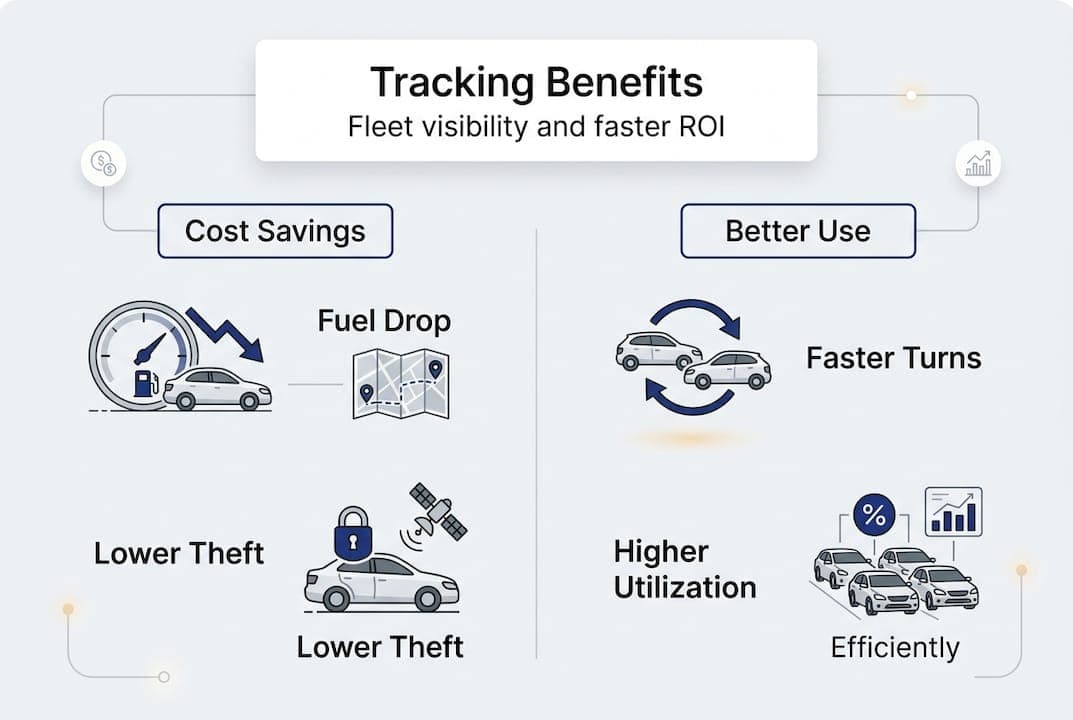
Real-time tracking delivers measurable financial returns through multiple operational improvements. Fuel savings emerge as vehicles follow optimized routes and drivers reduce excessive idling. Better vehicle utilization means you need fewer cars to serve the same customer base, reducing capital costs and maintenance expenses. Enhanced theft prevention protects your most valuable assets while lowering insurance premiums.
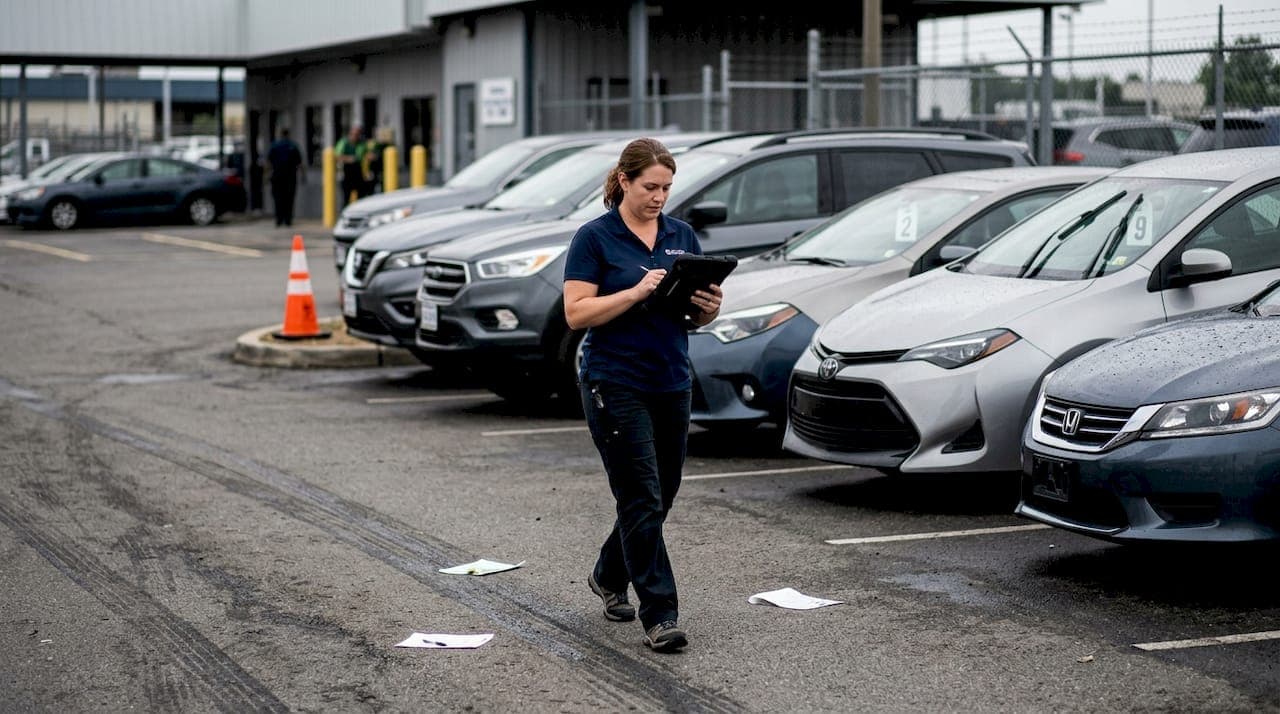
ROI calculators demonstrate payback periods under 6 months through combined fuel savings and improved utilization rates. Small fleets with just 10 vehicles typically recover their tracking investment within four to five months. Larger operations see even faster returns as economies of scale amplify per-vehicle savings across hundreds or thousands of units. These financial benefits scale proportionally whether you operate a small rental fleet or manage vehicles across multiple countries.
Scalability proves crucial for growing rental businesses. Systems that work for 5 vehicles adapt seamlessly to 50, 500, or 5,000 units without requiring complete replacement. Cloud-based tracking platforms eliminate the need for expensive on-premise servers and IT infrastructure. You add vehicles to your tracking system as quickly as you add them to your physical fleet, maintaining operational visibility during rapid expansion.
Top operational benefits include:
- Reduced fuel costs through route optimization and idle time elimination
- Increased fleet utilization by identifying underused vehicles and rebalancing inventory
- Lower maintenance expenses via predictive scheduling based on actual usage data
- Faster vehicle recovery when theft occurs, minimizing revenue loss
- Improved driver accountability through behavior monitoring and coaching opportunities
- Enhanced operational planning using historical data and usage patterns
Pro Tip: Focus on core ROI drivers like fuel savings and utilization improvements before expanding into advanced tracking features. This staged approach proves value quickly and builds organizational buy-in for broader tracking initiatives.
Statistic Spotlight: Fleets implementing comprehensive tracking systems report fuel savings of 10-15% and utilization improvements of 20-25%, translating to thousands of dollars per vehicle annually.
These operational advantages compound over time as you optimize your car rental fleet using insights from accumulated tracking data. Patterns emerge revealing peak demand periods, popular vehicle types, and geographic hotspots that inform smarter inventory decisions and strategic planning.
Balancing privacy, compliance, and customer experience
Privacy regulations vary significantly across jurisdictions, requiring careful attention to legal requirements in every market you serve. Event-triggered tracking access limits who can view vehicle data and under what circumstances, protecting customer privacy while maintaining operational capabilities. Staff training on privacy laws ensures your team understands their legal obligations and handles tracking data appropriately.
Data protection measures safeguard sensitive location information from unauthorized access or breaches. Encryption during transmission and storage prevents interception or theft of tracking data. Regular security audits identify vulnerabilities before they become problems. Clear data retention policies specify how long you keep tracking records and when you delete them, demonstrating respect for customer privacy.
Best practices for privacy-compliant tracking:
- Implement role-based access controls limiting tracking data visibility to employees with legitimate operational needs
- Provide clear disclosure to customers about tracking capabilities and data usage in rental agreements
- Use tracking data exclusively for stated purposes like theft prevention and operational efficiency
- Establish secure data storage with encryption and regular security assessments
- Create transparent policies for data retention and deletion aligned with legal requirements
- Train all staff handling tracking data on privacy regulations and company policies
Pro Tip: Communicate tracking policies transparently to customers during the rental process. When customers understand how tracking protects their safety and enables better service, they view it as a benefit rather than an intrusion.
"The most successful rental companies leverage tracking data to enhance customer experience through features like accurate arrival time estimates and proactive maintenance, transforming a potential privacy concern into a competitive advantage."
Balancing operational benefits with privacy requires thoughtful implementation. Use tracking to provide customer value like real-time ETAs for vehicle delivery or pickup. Alert customers proactively when their reserved vehicle will arrive late due to previous rental delays. These customer-centric applications of tracking data build trust and differentiate your service.
Integrating privacy-compliant tracking with your car rental software use cases ensures data flows securely between systems while maintaining appropriate access controls. Customers appreciate transparency about how their data improves their rental experience, especially when they directly benefit from tracking-enabled features.
Choosing the right real-time tracking solution for your fleet
Selecting tracking technology requires matching system capabilities to your specific fleet size, operational complexity, and business model. Small fleets need affordable, easy-to-implement solutions with essential features. Medium-sized operations benefit from enhanced analytics and integration capabilities. Large fleets require enterprise-grade platforms with advanced reporting, multi-location support, and extensive customization options.
| Fleet Size | Essential Features | Integration Needs | Typical Investment |
|---|
| Small (5-25 vehicles) | Basic GPS tracking, geofencing, alerts | Simple API connections to rental software | $15-30 per vehicle monthly |
| Medium (25-100 vehicles) | Advanced analytics, driver behavior monitoring, maintenance scheduling | Full integration with fleet management platforms | $10-20 per vehicle monthly |
| Large (100+ vehicles) | Enterprise reporting, multi-location management, custom dashboards | Complex integrations across multiple business systems | $8-15 per vehicle monthly |
Integration capabilities determine how effectively tracking data enhances your broader operations. Systems that connect seamlessly with your existing fleet management software eliminate manual data entry and provide unified operational visibility. API availability and documentation quality indicate how easily you can build custom integrations addressing unique business requirements.
Critical selection criteria include:
- Scalability to accommodate fleet growth without system replacement
- Network reliability ensuring consistent connectivity across your operating regions
- Security features protecting against device tampering and data breaches
- User interface simplicity enabling staff adoption without extensive training
- Vendor support quality and responsiveness for troubleshooting and optimization
- Total cost of ownership including hardware, subscriptions, and integration expenses
Pro Tip: Evaluate trial periods and pilot programs before committing to fleet-wide deployment. Test tracking systems with 5-10 vehicles to verify reliability, assess user experience, and confirm ROI projections before scaling.
ROI projections and case studies from similar fleet sizes and business models provide realistic expectations for your investment. Vendors should demonstrate proven success with businesses matching your profile rather than relying on generic claims. Request references from current customers operating in your market segment.
Integration with comprehensive platforms creates operational synergies beyond standalone tracking. Connecting tracking data to your car rental software enables automated workflows like triggering maintenance alerts in your scheduling system or updating vehicle availability in your reservation platform. These integrations multiply tracking value by embedding location intelligence throughout your operations.
Consider your system integration requirements early in the selection process. Tracking solutions offering pre-built connectors to popular rental management platforms reduce implementation complexity and accelerate time to value. Custom integration capabilities matter for businesses with unique workflows or proprietary systems requiring tailored connections.
Discover software solutions that empower your fleet management
Nomora provides cloud-based car rental management software designed to integrate seamlessly with real-time tracking systems, creating unified operational control for rental businesses of all sizes. Our platform combines reservation management, fleet tracking, contract generation, and payment processing in one comprehensive solution. Whether you operate 5 vehicles or 500, Nomora scales to match your business needs.
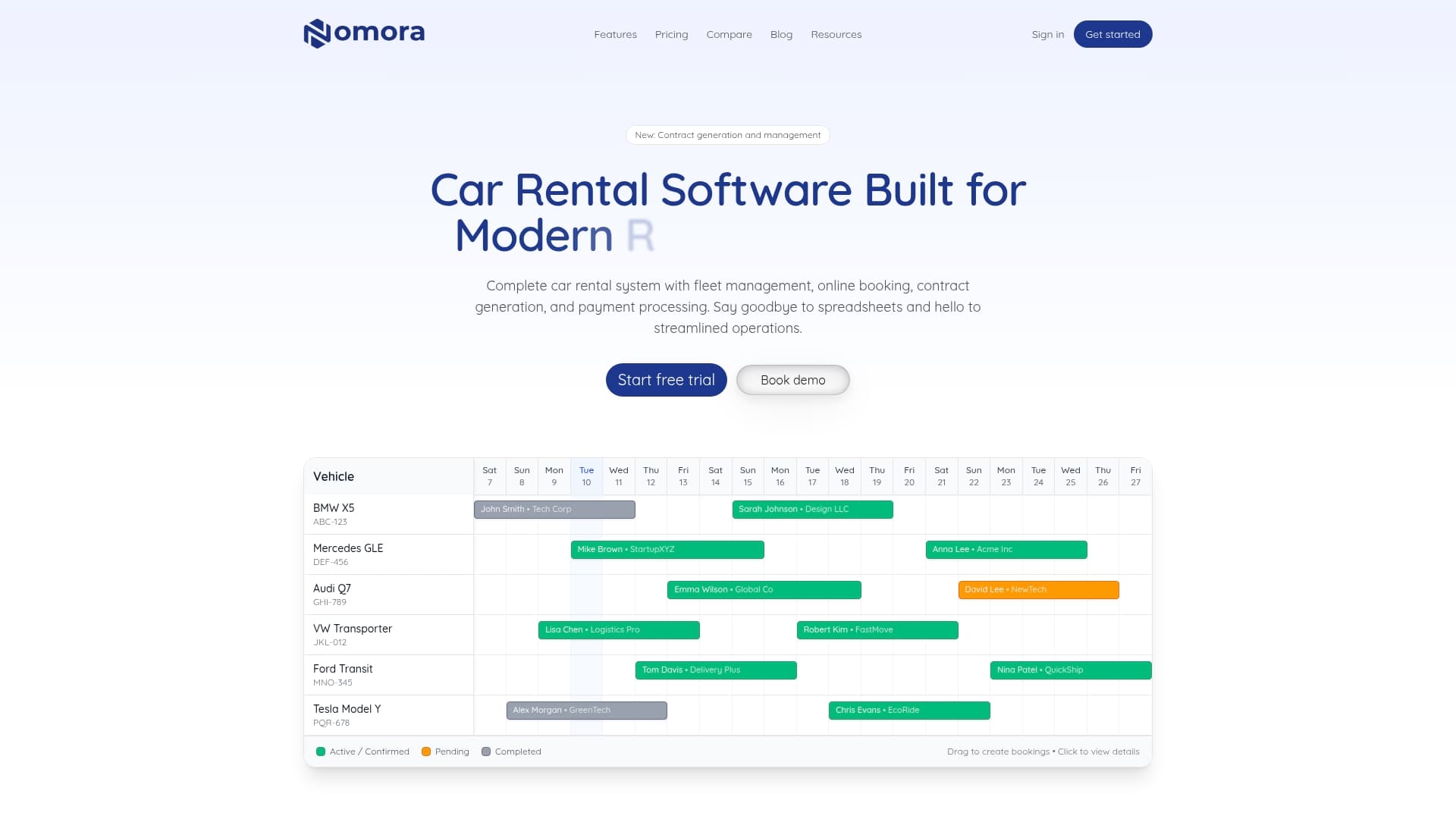
Real-time vehicle tracking integrated with Nomora delivers actionable insights across your entire operation. Monitor vehicle locations alongside reservation schedules to optimize fleet deployment. Automate maintenance scheduling based on actual mileage and usage data from your tracking system. Provide customers with accurate pickup times using live vehicle location information.
Explore our car rental software use cases to see how businesses like yours leverage integrated tracking and management platforms. Our fleet management software unifies tracking data with operational workflows, eliminating the manual processes that slow your business. Small business solutions prove that even compact fleets benefit from enterprise-grade tracking and management capabilities.
Pro Tip: Leverage integrated software platforms to unify tracking with booking, contracts, and payments. This consolidation eliminates data silos, reduces administrative overhead, and provides the comprehensive operational visibility needed to compete effectively in today's rental market.
Frequently asked questions about real-time tracking in car rentals
What are the main types of real-time tracking technology used in car rental fleets?
Car rental fleets primarily use GPS satellite tracking, cellular network communication, and VHF radio frequency systems. Hybrid solutions combine all three technologies to ensure continuous connectivity even when one network fails or experiences interference. These systems provide redundant communication pathways that maintain tracking reliability across diverse operating environments.
How can real-time tracking improve customer satisfaction?
Tracking enables customer-focused features like accurate vehicle delivery ETAs, proactive delay notifications, and faster roadside assistance response. Customers appreciate transparency about when their reserved vehicle will arrive and value the enhanced security that tracking provides. These service improvements differentiate your business and build customer loyalty through superior experience.
Are there privacy laws car rental companies must consider when implementing tracking?
Yes, privacy regulations vary by jurisdiction and require transparent disclosure of tracking capabilities in rental agreements. Companies must implement event-triggered access controls, train staff on data handling requirements, and establish secure storage with appropriate retention policies. Compliance protects both customer rights and your business from legal liability.
What is the typical ROI timeline for investing in real-time tracking?
Most rental businesses achieve payback in under six months through combined fuel savings, improved utilization rates, and reduced theft losses. Small fleets with 10-25 vehicles typically recover investments within four to five months, while larger operations see even faster returns. ROI accelerates as you optimize operations using accumulated tracking insights.
Can small fleets benefit from GPS tracking or is it only for large operations?
Small fleets gain significant advantages from tracking technology despite their size. Affordable monthly subscription models eliminate high upfront costs, making tracking accessible for businesses with just 5-10 vehicles. The operational efficiencies and theft protection provide proportional value regardless of fleet size, with scalable solutions that grow alongside your business.
Recommended
Ready to streamline your car rental business?
Book 30 minutes with the founder. We set up everything in this guide on your own vehicles, and migrate you out of Excel for free.