Odometer fraud detection is possible in most cases, but no single check catches everything. Start with a VIN-based vehicle history report, a hands-on wear inspection, and a request for service and title records. If any of those raise a red flag, stop the sale, document what you found, and report it to the NHTSA or your state DMV before money changes hands.
TL;DR:
- Physical wear checks such as pedal, seat, and tire wear are reliable indicators because they are unaffected by digital manipulations.
- VIN-based reports can reveal mileage declines and gaps but may miss rollbacks during private sales or unrecorded periods.
- Engine control unit scans can detect discrepancies across multiple modules, especially when combined with physical inspections and record reviews.
- Immediate documentation and reporting to authorities are crucial if physical or electronic evidence suggests odometer fraud.
- Sequencing checks from VIN history, in-person inspection, records, to diagnostics reduces the risk of falling for deceptive listings and ensures better fraud detection.
Table of Contents
Quick Checklist: Visible Signs and Seller Checks to Run in Person
Before you ever call a mechanic, you can rule out a lot of trouble with your own eyes. Odometer tampering detection starts with a side-by-side comparison of what the dashboard says against what the paperwork and the car itself are telling you.
Run this sequence during any in-person viewing:
- Match the odometer reading against the title, any service stickers on the windshield, and the most recent oil-change receipt. A mileage decrease between two dated records is a hard stop.
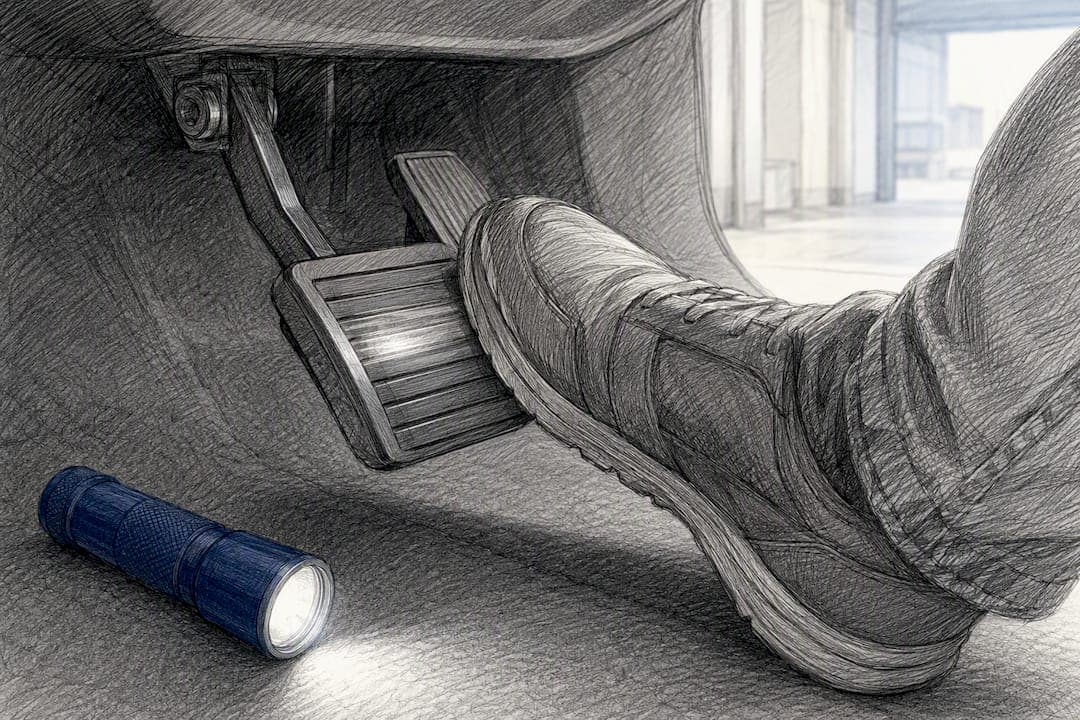
- Check pedal pads, the steering wheel rim, and driver seat bolsters for wear that outpaces the claimed mileage. A "low-mileage" car with a worn-smooth brake pedal is lying to you.
- Look at tires, door hinges, and floor mats for wear inconsistent with the number on the dash.
- Inspect the dashboard cluster area for missing or mismatched screws, warped trim, or misaligned digits, especially on older mechanical odometers that are easier to physically roll back.
- Note how the seller acts. Reluctance to allow an inspection, missing paperwork, or pressure to close fast are behavioral tells, not just paperwork gaps.
These physical wear indicators are among the most reliable signals because they're independent of anything digital a scammer can rewrite.
Pro Tip: Sit in the driver's seat and press the brake pedal slowly. Genuine high-mileage wear shows as a shiny, worn groove on the rubber pad; a car with 40,000 miles and a groove like that has probably seen closer to 120,000.
Records and VIN Checks: Reading History Reports the Right Way
A VIN-based vehicle history report is where most buyers start, and it should be. These reports pull recorded mileage from title transfers, inspections, and some service visits, which lets you spot a decrease that shouldn't exist.
Work through the record check in this order:
- Pull a vehicle history report using the VIN and scan every mileage entry chronologically.
- Flag any entry where mileage drops or where there's a suspiciously long gap between recorded readings.
- Cross-check the title's odometer disclosure section against the DMV's title history for prior ownership transfers.
- Collect service receipts and oil-change stickers, then confirm the mileage climbs steadily with each date.
Here's the catch nobody tells you upfront: a report can only show what someone bothered to record. If a car changed hands privately or skipped a state inspection cycle for a couple of years, a rollback that happened in that gap simply won't appear on the report. That's why vehicle history report importance gets overstated when treated as a final verdict instead of a first filter.
Technical Verification: What OBD-II and ECU Scans Reveal
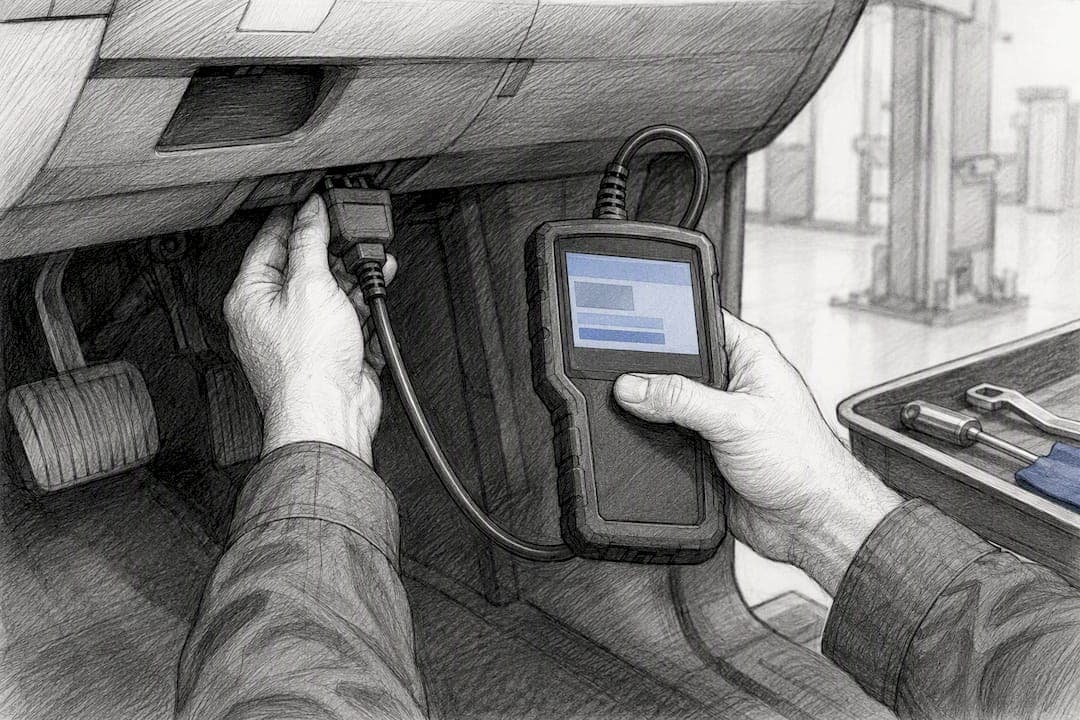
Modern vehicles rarely store mileage in just one place. The engine control unit, transmission control module, ABS module, and body control module can each hold an independent mileage value, and comparing them is one of the most reliable technical proofs of a rollback available to an average buyer.
A qualified shop or dealer can run this check for you:
- Ask for an OBD-II or full module scan that pulls mileage from each electronic control unit separately.
- Request a dated, signed printout, or a certified odometer reading if the results look inconsistent.
- Budget for this step on higher-value vehicles, fleet-release cars, or anything bought at auction, where the payoff justifies the cost.
- Understand the limits: a determined fraud operation can attempt to rewrite several modules at once, so a scan works best paired with records and a physical inspection, not alone.
Pro Tip: If a seller balks at a diagnostic scan on a car they claim is low-mileage, that reaction alone tells you more than the odometer does.
If You Suspect Fraud: Documentation and Reporting Steps
Do not talk yourself out of what you saw. If the wear doesn't match the reading, or a module scan turns up conflicting numbers, treat it as evidence, not a coincidence.
- Preserve the vehicle history report, service records, photos of pedal and tire wear, and any diagnostic printouts showing module mismatches.
- File a complaint with your state DMV's enforcement office, which handles title fraud within its jurisdiction.
- Report to the NHTSA, which tracks odometer fraud nationally and estimates more than 450,000 vehicles are sold each year in the United States with falsified readings.
- Contact a licensed attorney and, for significant losses, local law enforcement. Federal odometer law allows for civil damages and, in serious cases, criminal penalties including restitution.
Acting quickly matters. Documentation gathered while memories and paperwork are fresh holds up far better in a complaint or civil claim.
Practical Buying Rules to Prevent Odometer Tampering
Preventing odometer tampering from ever costing you money comes down to sequencing. Do the checks in the wrong order and you risk falling for a listing before you've verified anything.
- Run a VIN history check before you even schedule a viewing. It's free of your time investment and rules out obvious problem cars immediately.
- Book an independent pre-purchase inspection with a mechanic who has no relationship with the seller.
- Insist on seeing the title and service records in person, and get a signed odometer disclosure statement as part of the sale.
- Walk away from any deal that pressures you to skip inspection or that's priced well below comparable listings; that gap is often the tell, not the deal.
- For fleet-release vehicles, ask the seller for telematics summaries or maintenance logs, which tend to be far more complete than private-party records.
A Fleet Manager's View: How Telematics Make Mileage Verifiable
Rental and fleet operators don't rely on a single odometer reading because they can't afford to. GPS telematics logs every trip with a timestamp, which creates an independent mileage trail that exists completely outside the dashboard display. Nomora's own work with fleet operators shows how GPS tracking data cross-references against reservation records to catch discrepancies before a vehicle ever leaves the lot.
Well-run fleets also pair that data with:
- Routine, logged service visits tied to a specific mileage at each stop.
- Signed handover checklists between renters or drivers.
- Integrated reservation and maintenance records that can't easily drift apart.
If you're buying a car coming out of a fleet or rental program, ask the seller directly for telematics summaries or maintenance logs. A seller with nothing to hide usually hands them over without hesitation.
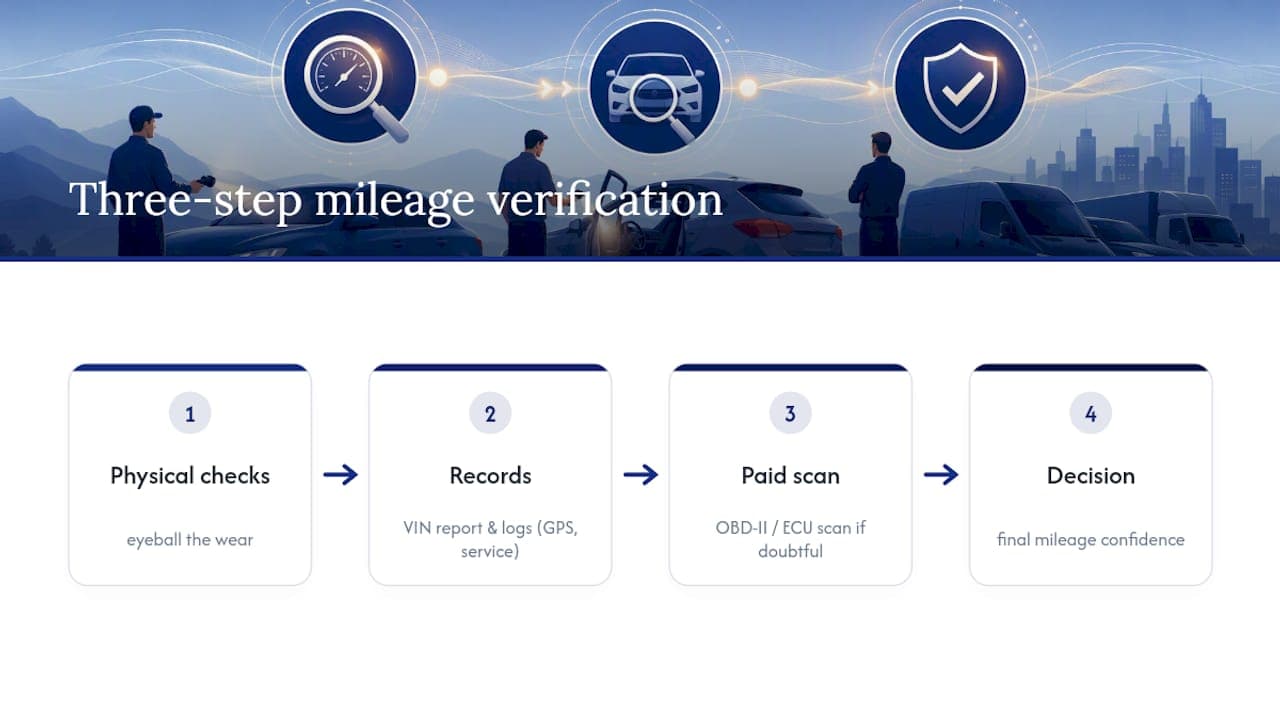
Most odometer fraud investigation tips out there fixate on one method: run a history report, or get a mechanic to scan it, as if either alone settles the question. It doesn't. A history report only shows recorded events, and a module scan can be beaten by someone determined enough to rewrite several control units. The buyers who actually catch fraud are the ones who stack cheap checks before expensive ones: eyeball the wear, pull the VIN report, then pay for a scan only when something already looks off.
The fleet perspective is the part most buyer guides skip entirely. Operators who track mileage through GPS timestamps and logged service visits aren't guessing at history, they're generating it in real time, which is exactly why fleet-release cars with intact telematics records are often a safer bet than a private listing with a sticker and a story. If you take one thing from this, it's sequencing: cheap physical checks first, records second, paid diagnostics only when the first two disagree with what the seller is telling you.
— Dizzy
Sources
Start with the NHTSA odometer fraud page for reporting and federal guidance, your state DMV enforcement office for title-specific complaints, and a reputable vehicle history report service or certified independent inspector for pre-purchase verification.
Recommended
Ready to streamline your car rental business?
Book 30 minutes with the founder. We set up everything in this guide on your own vehicles, and migrate you out of Excel for free.