Key Takeaways
| Point | Details |
|---|
| Asset tracking boosts profit | Replacing manual tracking with automated systems reduces loss and drives higher utilization. |
| Choose tech for your fleet size | GPS is cost-effective for small fleets; telematics offers more data and ROI for mid-sized fleets. |
| Integration unlocks efficiency | Seamless connection between tracking and rental software delivers real savings and fewer errors. |
| Start simple, scale smart | Begin with cloud-based systems and integrate more features as your business grows. |
What is fleet asset tracking and why does it matter?
Fleet asset tracking refers to the process of monitoring the location, status, condition, and usage of every vehicle in your rental inventory using technology rather than guesswork or paperwork. At its core, it replaces the clipboard-and-phone-call method with real-time, automated visibility across your entire fleet.
For rental operators specifically, this matters in ways that go beyond simple location monitoring. Manual tracking creates three costly problems. First, time loss: staff spend hours calling drivers, cross-checking spreadsheets, and reconciling conflicting records instead of handling new bookings. Second, unbilled use: vehicles that go out a day early or come back a day late without automatic detection represent direct revenue leakage. Third, asset misallocation: without clear visibility, the same vehicle can be reserved twice, or a vehicle flagged for maintenance gets sent out on a rental, creating a liability issue and a frustrated customer.
The benefits of fixing this are immediate and measurable. Fleet asset tracking improves efficiency and reduces loss for rental businesses by automating data capture and reducing the administrative overhead that quietly eats into margins every single day. Faster dispatching, fewer billing disputes, and accurate maintenance scheduling all trace back to reliable real-time data. You can also read more about fleet management basics to build context around these operational foundations.
Signs your business could benefit from asset tracking:
- You rely on phone calls to confirm vehicle locations
- Billing disputes regularly require manual investigation
- Maintenance reminders are calendar-based rather than mileage or usage-triggered
- Staff spend more than an hour per day on fleet status updates
- You have experienced a stolen or misplaced vehicle with delayed detection
- Double bookings occur due to inaccurate availability data
"Without real-time visibility, rental operators are always reacting rather than managing. Asset tracking transforms that dynamic by putting accurate information at the center of every decision."
The shift from reactive to proactive management is not just about technology. It represents a fundamental change in how your business operates day to day, and it starts with understanding what kind of tracking is right for you.
Types of asset tracking: GPS, telematics, and hybrid systems
Now that the value is clear, it is time to demystify the tracking technologies available. Not all tracking systems are created equal, and choosing the wrong one for your fleet size or operational model can leave you either overpaying for features you do not use or under-equipped for the visibility you actually need.
GPS trackers are the entry point for most small rental operators. They transmit vehicle location data at regular intervals using satellite and cellular networks. They are relatively inexpensive per unit, straightforward to install, and give you the core capability most small fleets need: knowing where each vehicle is at any given moment. However, they do not tell you much beyond location.
Telematics devices go significantly deeper. They collect real-time data on engine diagnostics, fuel consumption, driver behavior such as harsh braking or rapid acceleration, odometer readings, and even door status. For medium-sized rental fleets, GPS is location-focused and cheaper for small fleets, while telematics delivers full diagnostics with higher ROI for medium fleets through behavior and fuel insights that directly affect maintenance costs and fleet longevity.
Hybrid systems combine GPS and cellular connectivity with additional protocols like VHF radio to ensure reliability in areas with spotty network coverage. These are especially valuable for rental companies that operate in rural areas or multi-location setups where coverage gaps are a real risk. Prioritizing hybrid GPS/cellular tracking ensures reliability and avoids the frustrating dead zones that make cheaper-only GPS setups unreliable.
| Feature | GPS tracker | Telematics device | Hybrid system |
|---|
| Location tracking | Yes | Yes | Yes |
| Engine diagnostics | No | Yes | Yes |
| Driver behavior data | No | Yes | Yes |
| Fuel monitoring | No | Yes | Yes |
| Network reliability | Moderate | Moderate | High |
| Cost per unit | Low | Medium to high | High |
| Best for | Small fleets (1 to 20 vehicles) | Medium fleets (20 to 100+ vehicles) | Multi-location or rural operators |
Rental-specific needs add another layer to this decision. A business renting high-value luxury vehicles, for instance, has a stronger case for telematics because driver behavior data helps document vehicle condition and supports damage claims. A small daily rental operation with ten compact cars may find that GPS trackers, properly integrated with booking software, deliver everything they need at a fraction of the cost. You can explore the key software features that pair well with each tracking type, and understand the full scope of real-time tracking benefits for rental operations of every scale.
Beyond functionality, presentation matters too. Well-branded fleet vehicles with premium vinyl wrapping not only look professional but also help make each vehicle more visually distinct and easier to identify in the field.
Pro Tip: Start with GPS trackers and a solid integration layer, then layer in telematics as your fleet grows and your data needs become more sophisticated. Buying full telematics for a five-vehicle fleet often creates more complexity than value.
Integration: making asset tracking and rental software work together
Once you have chosen the right tracking hardware, it is crucial to make it communicate with your rental systems. This is where many operators fall short. They invest in quality trackers, then run them as a completely separate system, which means staff are still toggling between two platforms, manually transferring data, and creating the exact inefficiencies they were trying to eliminate.

Disconnected technology creates three specific problems for rental businesses. Double data entry means the same vehicle movement gets logged in the tracking platform and then manually entered into the reservation system, doubling the work and doubling the chance of errors. Billing inaccuracies arise when mileage or usage data from the tracker does not automatically feed into the invoice. And delayed decision-making happens when location or maintenance data sits in one system while booking decisions are made in another.
When asset tracking integrates properly with your rental management software, the operation begins to function like a single organism. Booking confirmations can trigger dispatch alerts based on real-time vehicle location. Maintenance alerts from telematics data can automatically block a vehicle from new reservations until serviced. Mileage readings feed directly into billing calculations without any manual intervention.
Rental processes directly streamlined by integrated asset tracking:
- Booking confirmations that reflect actual, live vehicle availability
- Automated dispatch based on which vehicle is closest or best positioned
- Maintenance scheduling triggered by actual mileage or diagnostic alerts rather than calendar estimates
- Accurate billing with mileage and usage data flowing directly into invoices
- Theft detection with instant alerts when vehicles move outside approved zones or hours
- Customer communication with real-time status updates for vehicle readiness
For a detailed look at how to set this up effectively, the integration guide covers the practical steps, and exploring fleet integration options will show you what is possible across different platforms and hardware combinations. The principle of integrating with rental software to avoid silos is not just a technical recommendation but a business-critical requirement for operators who want reliable, scalable operations.
Pro Tip: When evaluating any tracking hardware vendor, ask specifically about their API documentation and whether they support real-time data sync. An open API allows your rental management platform to pull live data continuously rather than in delayed batches, which makes a significant difference in operational responsiveness.
How asset tracking data powers fleet decisions
Tracking hardware is only as good as the data it delivers. The real business value of fleet asset tracking shows up not in the devices themselves but in the decisions those devices enable. Let us look at how the numbers drive smarter business outcomes for rental operators.
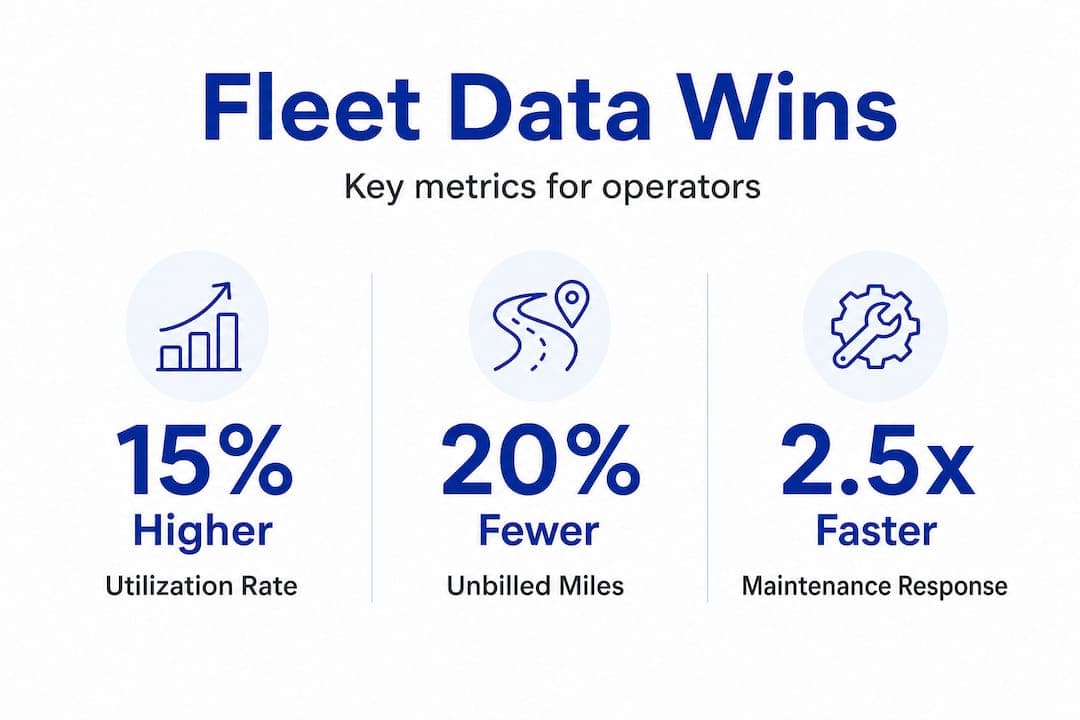
The most actionable metrics your system should capture include vehicle utilization rate (what percentage of available hours each vehicle is actually generating revenue), real-time location for dispatch and customer service, vehicle health indicators such as engine warnings and tire pressure, and driver behavior patterns including mileage overuse or after-hours movement.
| Tracking metric | Direct business advantage |
|---|
| Utilization rate | Identifies underused assets ready for redeployment or disposal |
| Real-time location | Enables accurate dispatch and faster customer service |
| Odometer readings | Triggers accurate billing and maintenance scheduling |
| Engine diagnostics | Prevents costly breakdowns and reduces downtime |
| Geofence alerts | Detects unauthorized use and supports theft recovery |
| Driver behavior scores | Reduces accident risk and supports damage claim resolution |
| Fuel consumption data | Identifies inefficient routes or misuse patterns |
Telematics provides higher ROI for medium fleets via behavior and fuel insights that translate directly into measurable cost reductions. A fleet that reduces fuel misuse by 10% or cuts unplanned maintenance by scheduling proactive servicing based on live diagnostics data is seeing a direct return on its tracking investment.
Key decisions improved by asset tracking data:
- Asset location decisions: Knowing exactly where every vehicle is at any moment eliminates the time wasted searching for assets and enables faster turnarounds between rentals.
- Maintenance scheduling: Usage-based maintenance replaces calendar-based guesswork, reducing both over-servicing and costly breakdowns that leave customers stranded.
- Billing accuracy: Automated mileage capture ensures every kilometer driven is accounted for and billed correctly, eliminating the revenue leakage from manual odometer readings.
- Theft prevention and recovery: Geofencing alerts and after-hours movement detection allow rapid response to unauthorized vehicle use, often recovering assets before significant loss occurs.
- Fleet right-sizing: Utilization data reveals which vehicles are working hard and which are sitting idle, giving operators the evidence they need to make confident decisions about adding to or reducing fleet size.
For a deeper look at how to build actionable reports from this data, the fleet reporting tips resource provides practical guidance, while inventory management strategies show how tracking data connects directly to profitability decisions.
Why starting simple beats chasing features in fleet asset tracking
With all this technology available, it is tempting to jump into the deep end and build out a fully integrated telematics stack from day one. Hard-won experience in the rental industry says otherwise, and this perspective is worth taking seriously before you make purchasing decisions.
The rental operators who struggle most with technology adoption are not the ones who started too slowly. They are the ones who bought complex systems before their team understood the basics, then watched utilization rates drop because nobody had the time or confidence to use the platforms correctly. An expensive, feature-heavy telematics solution running at 20% of its capability delivers less real-world value than a simple GPS tracker integrated cleanly with a booking system and actually used by every staff member every day.
The phased adoption approach works because it builds competence and confidence in parallel. When your team learns to read utilization data from basic GPS tracking before they are expected to interpret telematics diagnostics, the learning curve stays manageable. When you integrate one system at a time rather than attempting a full stack overhaul, the risk of costly errors drops significantly.
The evidence supports this approach. Cloud telematics lets SMEs scale tracking without heavy upfront costs, and that scalability is the key advantage for growing rental businesses. Starting cloud-based means you are not locked into expensive hardware contracts that become obsolete as your needs evolve. It also means your data is accessible remotely, your updates happen automatically, and your costs scale with your actual fleet size rather than requiring a large upfront commitment.
The practical recommendation is to focus your first integration on the workflows that cause you the most pain today. If billing disputes are your biggest headache, prioritize mileage data integration with your invoicing process. If vehicle theft or unauthorized use is the concern, start with geofencing and after-hours alerts. Solving the one or two problems that matter most right now will generate the ROI that funds the next phase of your technology buildout. The integration advice available for rental operators makes this phased approach straightforward to plan and execute.
Chasing every feature before mastering the fundamentals is the most common reason rental operators end up with technology that collects dust. Start where you are, solve what hurts, and build from a foundation of real results.
Putting these principles into practice requires the right platform behind them. Nomora's cloud-based car rental software is built specifically to serve as the central nervous system of your rental operation, connecting GPS and telematics integrations with reservations, contracts, billing, and customer management in one unified system.
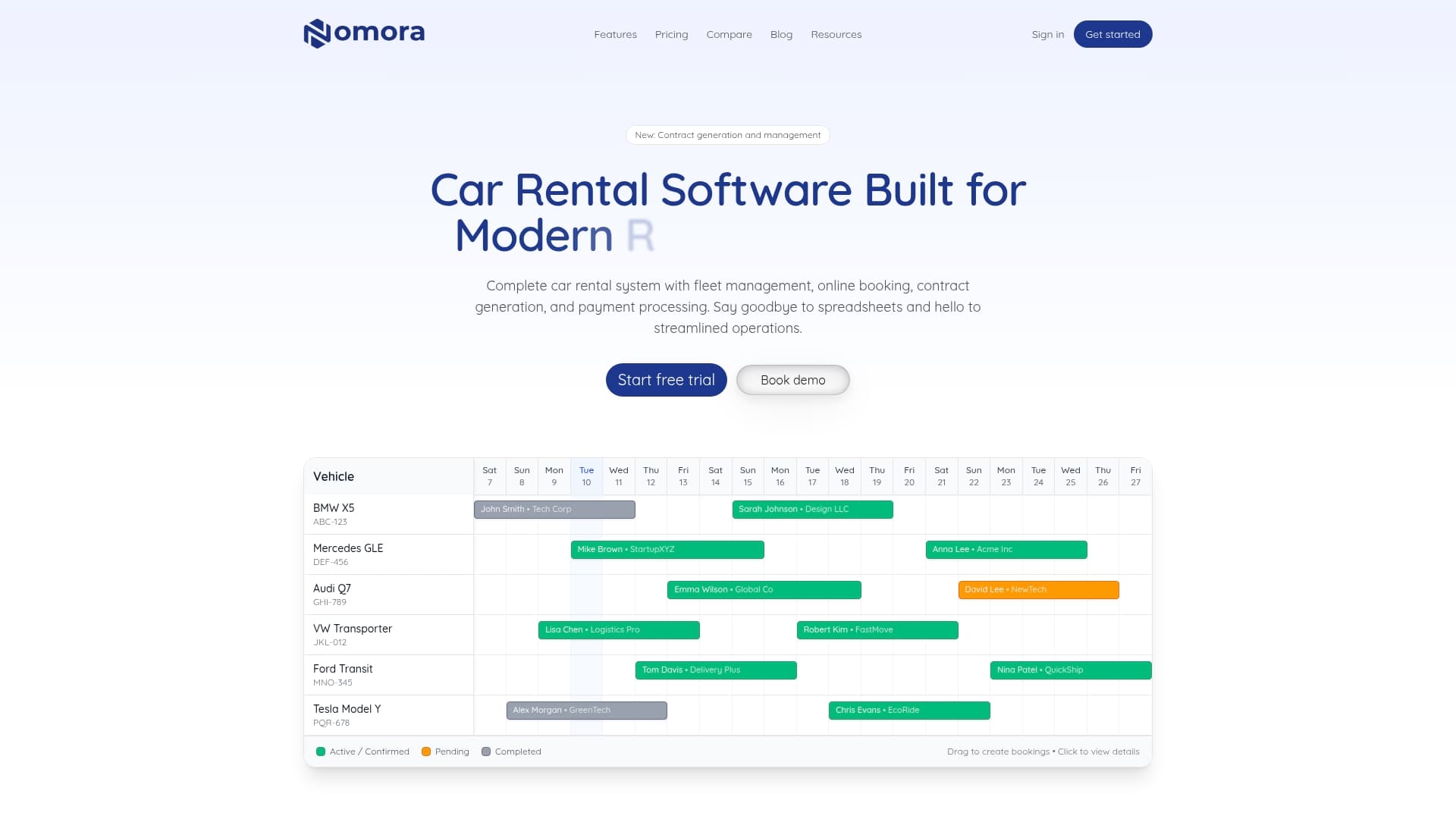
Whether you are running a five-vehicle independent operation or managing a multi-location franchise network, Nomora's scalable architecture grows with you. The platform supports direct GPS and telematics integrations, automates billing based on live mileage data, and eliminates the silos that cost rental businesses real money every single day. Explore the full range of fleet tracking use cases to see exactly how operators at every scale are using Nomora to reduce administrative overhead, improve vehicle utilization, and operate with the kind of real-time visibility that modern rental customers expect. Setup takes 24 to 48 hours, and the ROI starts from day one.
Frequently asked questions
What's the biggest ROI benefit of asset tracking for SMB rental fleets?
For small to mid-sized rental fleets, the biggest ROI is higher vehicle utilization and reduced revenue loss from unbilled use or misplaced assets. Telematics provides higher ROI for medium fleets through behavior and fuel insights that compound over time.
How is GPS tracking different from telematics in fleet management?
GPS provides real-time vehicle location data, while telematics adds engine diagnostics, driver behavior monitoring, and fuel consumption analysis for much deeper operational insight. GPS is location-focused and cheaper for small fleets, making it the logical starting point before scaling to full telematics.
Do I need to replace my tracking tech as my rental fleet grows?
Not necessarily. Cloud-based and hybrid asset tracking systems are designed to scale, letting you start with basic GPS and add telematics capabilities as your fleet and data needs expand. Cloud telematics for SMEs balances cost and scalability so your initial investment remains useful as you grow.
How does integration with rental software avoid asset tracking silos?
Integration connects your tracking data directly to bookings, dispatch, billing, and reporting workflows so that every system is working from the same real-time information. Integrating tracking with rental software avoids silos by eliminating double entry, reducing human error, and ensuring decisions are based on accurate, current data rather than outdated manual records.