Key Takeaways
| Point | Details |
|---|
| Turnover impacts rentals | High driver turnover rates hinder operational efficiency and profitability in rental fleets. |
| Modern tools are crucial | Mobile DVIRs and telematics help automate driver monitoring and safety for small-medium fleets. |
| Trust builds performance | Creating a culture of trust and clear communication reduces resistance and improves driver retention. |
| Automated compliance matters | Automating compliance tracking minimizes legal risks and streamlines fleet operations. |
| Best practices boost results | Incentives, auditing maintenance, and balanced workloads drive safer and more efficient rental fleets. |
Defining driver management: What it means for rental fleets
Having set the stage with the urgent need for effective driver management, let's define what the term actually means for your fleet. Driver management is not a single task. It is a connected set of responsibilities that keeps your fleet running safely, legally, and profitably.
At its core, driver management encompasses monitoring, compliance, communication, and workload balancing. In a rental context, that means you are responsible for who drives your vehicles, how they perform behind the wheel, whether they meet legal requirements, and whether your staff can sustain the pace of operations without burning out.
The primary objectives break down into three areas:
- Safety: Reducing accidents, vehicle damage, and liability through proactive driver oversight
- Efficiency: Matching the right drivers to the right vehicles and schedules to maximize fleet utilization
- Legal compliance: Maintaining accurate qualification files, hours-of-service records, and inspection logs
One of the most common misconceptions is that driver management is primarily about surveillance. Operators sometimes install telematics or dashcams and assume the job is done. In reality, monitoring is just one piece. The bigger picture includes coaching, scheduling, communication, and creating conditions where drivers actually want to stay and perform well.
Rental fleets face some unique challenges here. Unlike long-haul trucking, rental operations often involve a rotating mix of drivers, seasonal demand spikes, and vehicles that change hands multiple times per week. That variability makes consistent oversight harder. A driver who rents a vehicle on Monday may have very different habits than the one who takes the same car on Friday. Without structured processes, accountability gaps appear quickly.
For operators managing multiple locations, the complexity multiplies. You can explore how multi-location fleets add layers of coordination risk when driver oversight isn't centralized. A solid fleet management guide can help you map out where driver management fits within your broader operational strategy, and boosting fleet profitability almost always starts with tightening driver-related processes.
Pro Tip: Treat driver management as a system, not a checklist. When scheduling, compliance, communication, and performance tracking are connected, problems surface faster and get resolved before they become costly incidents.
Core challenges of driver management in rental fleets
Now that you understand what driver management means, let's explore the specific challenges rental fleets face and why these issues persist.
High turnover rates, fatigue, compliance gaps, and resistance to monitoring are the four major issues that consistently undermine fleet operations. For rental businesses, each one carries a specific cost.
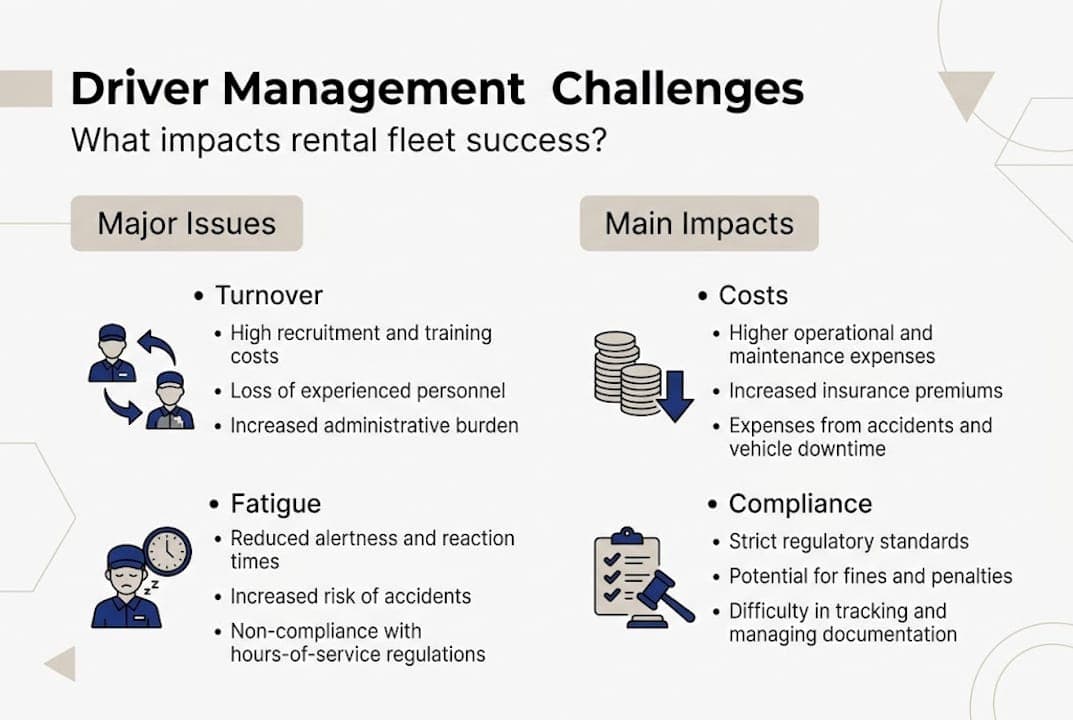
| Challenge | Primary impact | Common cause |
|---|
| High driver turnover (70-90%) | Recruiting costs, training gaps | Poor communication, unpredictable schedules |
| Driver fatigue | Accidents, liability exposure | Overloaded schedules, no workload monitoring |
| Compliance gaps | Fines, audit failures | Manual recordkeeping, outdated DQ files |
| Resistance to monitoring | Reduced data quality | Surveillance-first culture, lack of transparency |
Turnover is the most financially damaging. Replacing a driver costs time, money, and institutional knowledge. When turnover is high, you are constantly onboarding new people who don't know your vehicles, your policies, or your customers. That creates risk at every level.
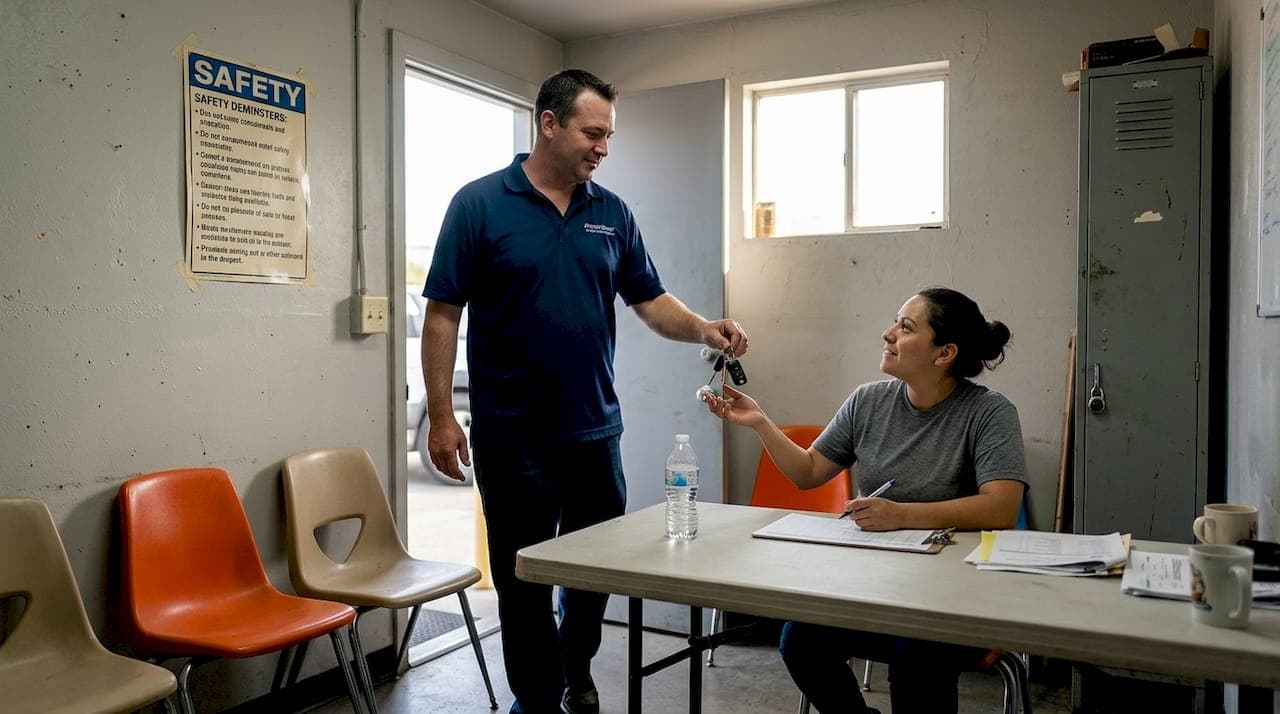
Compliance gaps are equally dangerous, just less visible until an audit or incident forces them into view. Driver qualification (DQ) files, electronic logging devices (ELDs), and hours-of-service (HOS) records must be current and accurate. Many small rental operators still manage these manually, which means errors are inevitable.
Outsourcing creates its own risks. When you use third-party drivers or maintenance providers, you retain liability even when you don't retain control. That gap between responsibility and oversight is where most compliance failures originate.
"The fleets that struggle most are the ones that assume outsourcing transfers liability. It doesn't. You own the outcome regardless of who's behind the wheel or under the hood."
Unregulated agents and third-party maintenance add another layer of complexity. If a vehicle is serviced by an outside provider and that service is not properly documented, you may have no defensible record if an incident occurs. For corporate rental solutions, where clients expect airtight compliance, these gaps can cost you contracts.
Key pain points for small and medium rental operators include:
- Inconsistent driver screening across locations
- No centralized system for tracking license validity or expiration
- Manual scheduling that creates workload imbalances
- Communication breakdowns between dispatch, drivers, and management
- Difficulty auditing third-party maintenance records in real time
With challenges in mind, it's time to see how technology and operational tools are reshaping driver management for rental fleets.
Mobile DVIRs, telematics scorecards, and automated compliance tracking are the three most impactful tools available to rental fleet operators today. Each one addresses a different layer of the driver management problem.
- Mobile DVIRs (Driver Vehicle Inspection Reports): Digital inspection tools replace paper forms and create time-stamped, verifiable records. Drivers complete inspections on a mobile device before and after each rental. This builds accountability without adding administrative burden.
- Telematics scorecards: These systems collect data on speed, braking, cornering, and idling, then generate individual driver scores. Objective data removes the subjectivity from performance conversations and gives managers a consistent basis for coaching.
- Automated HOS and compliance tracking: Manual logbooks are error-prone and time-consuming. Automated systems flag violations before they become audit findings, reducing the risk of fines and improving overall compliance posture.
- GPS-integrated fleet platforms: Real-time location data supports scheduling decisions, helps verify driver locations during shifts, and provides evidence in the event of a dispute or accident. You can see how real-time tracking benefits extend well beyond simple location monitoring.
| Tool | Primary function | Best for |
|---|
| Mobile DVIR | Pre/post-trip inspections | Accountability, damage prevention |
| Telematics scorecard | Driver performance scoring | Coaching, safety culture |
| Automated HOS tracking | Hours-of-service compliance | Compliance, audit readiness |
| GPS fleet platform | Real-time location and reporting | Scheduling, liability protection |
When evaluating rental software features, look for platforms that integrate these tools rather than requiring separate logins and manual data transfers. Fragmented systems create the same gaps that manual processes do. Centralized platforms that connect inspections, scheduling, and compliance records give you a single source of truth. This also simplifies managing rental inventory alongside driver data, so nothing falls through the cracks.
Pro Tip: Use telematics scorecards as coaching tools, not disciplinary weapons. Drivers who see their scores improve and receive recognition for safe behavior are far more likely to stay engaged and maintain good habits than those who only hear from management when something goes wrong.
Best practices: Building safety, compliance, and efficiency
Now, let's turn practical. These highly actionable best practices can help drive safer, more compliant, and more efficient rental fleets.
The most effective operators don't just install technology. They build routines around it. Coaching via incentives, auditing third-party maintenance, and automating compliance are the three pillars of a high-performing driver management program.
Here are the practices that consistently deliver results:
- Run incentive programs tied to telematics data. Reward drivers who maintain high safety scores with tangible benefits, whether that's scheduling priority, bonuses, or public recognition. This shifts the culture from reactive to proactive.
- Audit third-party maintenance on a fixed schedule. Don't assume outside providers are keeping records you can defend. Request documentation regularly and store it in a centralized system.
- Automate compliance recordkeeping. Manual DQ file management is a liability. Automated systems send alerts when licenses, certifications, or inspection records are approaching expiration.
- Establish clear communication routines. Poor communication and workload imbalances continue to cause inefficiency and risk in fleet operations. Weekly check-ins, clear escalation paths, and transparent scheduling reduce confusion and resentment.
- Prioritize workload balance to protect retention. Overloaded staff make mistakes and leave. Use scheduling tools to distribute work evenly and flag when any individual is approaching unsustainable hours.
Key stat: Fleets that implement structured incentive programs alongside telematics monitoring report measurably lower incident rates compared to those using monitoring alone. The data supports what experienced operators already know: people respond better to recognition than surveillance.
Using fleet reporting strategies to track driver-related metrics over time helps you spot trends before they become problems. A well-designed rental fleet checklist ensures nothing gets skipped during high-volume periods. And a strong rental reporting guide can help you connect driver performance data to broader business outcomes like utilization rates and customer satisfaction scores.
Pro Tip: Schedule a quarterly review of your driver management processes, not just your vehicles. Policies that worked when you had 10 cars may not hold up at 30. Regular audits keep your systems aligned with your actual operational scale.
A fresh perspective: Why healthy driver management starts with trust, not surveillance
Stepping back from tactics and technologies, here is an overlooked truth about effective driver management that most guides miss entirely.
The fleet industry has a tendency to frame driver management as a control problem. Install enough cameras, track enough data points, and you'll get compliance. But driver resistance to monitoring stems from fears of surveillance, and fleets that lead with incentives and transparency consistently see lower turnover and better safety outcomes.
The uncomfortable truth is that technology alone doesn't build a safety culture. People do. When drivers understand why they're being monitored, what the data is used for, and how good performance is recognized, resistance drops sharply. Transparency is not a soft management concept. It's a retention and compliance strategy.
For rental fleets specifically, where the workforce is often variable and schedules are unpredictable, trust becomes the connective tissue that holds everything together. Predictable scheduling, honest communication about expectations, and visible rewards for safe behavior create an environment where drivers want to stay. That directly reduces the turnover costs that drain so many small operators. Profitable fleet management is built on stable, engaged teams, not just optimized routes.
Optimize driver management with Nomora: Solutions for modern rental fleets
Ready to transform driver management? Here's how Nomora connects the dots between strategy and action.
Nomora's cloud-based platform acts as the central nervous system of your rental operation, bringing driver scheduling, compliance recordkeeping, and performance reporting into one integrated system. Instead of juggling spreadsheets and disconnected tools, you get real-time visibility across your entire fleet.
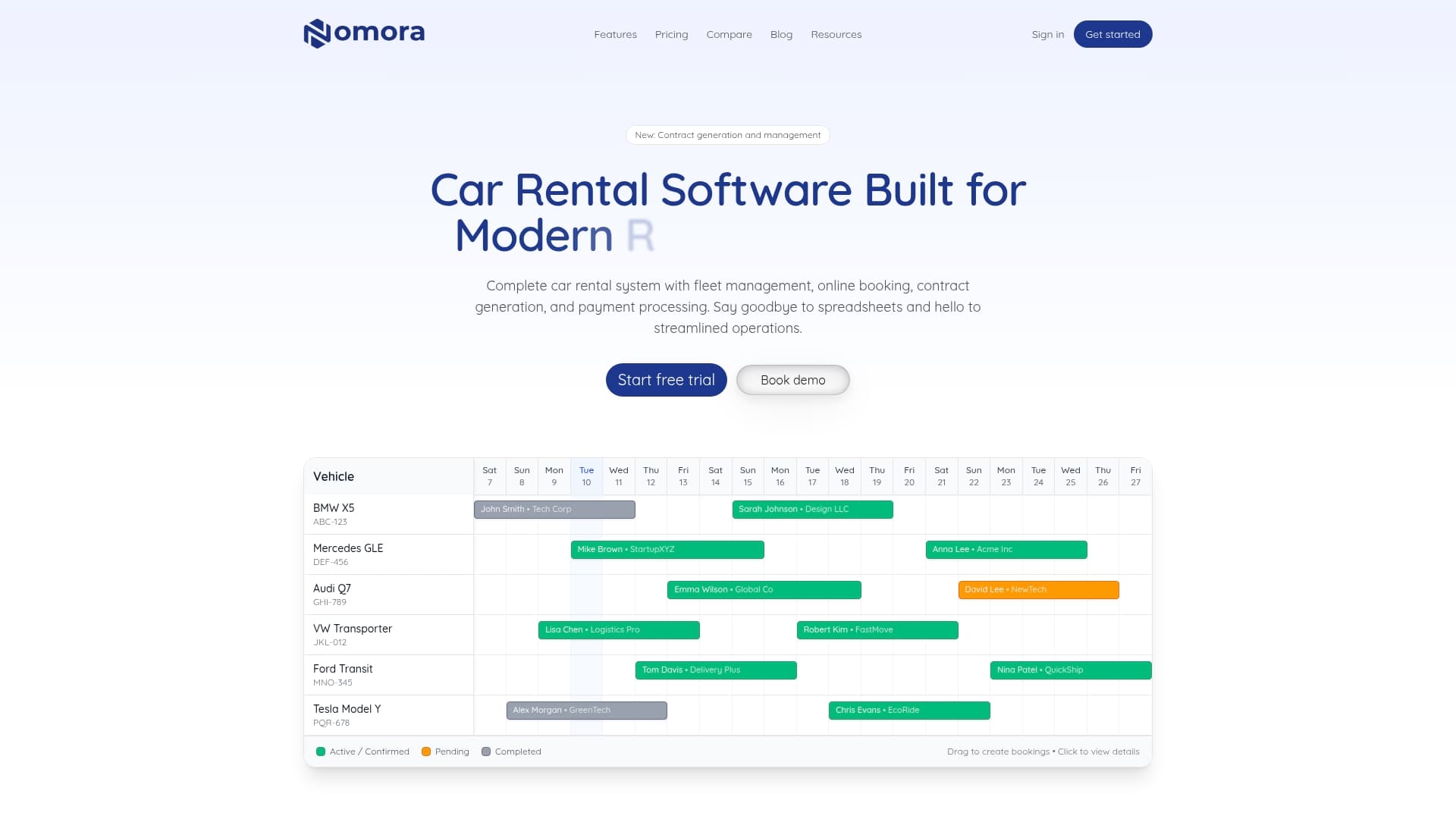
Nomora automates the compliance tasks that eat up your team's time, from license expiration alerts to inspection record storage. The platform's rental software use cases cover everything from independent operators to multi-location networks. You can also eliminate booking conflicts with tools designed to prevent double bookings and streamline revenue collection through automated car rental payments. For fleets serious about efficiency and compliance, Nomora delivers the infrastructure to make it sustainable.
Frequently asked questions
What is driver management in fleet operations?
Driver management involves tracking, scheduling, and supporting drivers to ensure safety, efficiency, and compliance across a vehicle fleet. It covers everything from qualification files to workload balancing.
Why is driver turnover so high in rental fleets?
Turnover rates reach 70-90% in many fleet segments due to poor communication, unpredictable scheduling, and resistance to surveillance-first management. Trust-based approaches and incentive programs significantly reduce churn.
Which technologies are most effective for driver management?
Mobile DVIRs, telematics scorecards, and automated compliance tracking are the most proven tools for small to medium rental fleets, offering accountability without adding administrative overhead.
How can rental fleets improve compliance and safety?
By using automated compliance tracking, auditing third-party maintenance regularly, and rewarding safe driving behavior, fleets can reduce liability exposure and build a stronger safety record over time.
Recommended